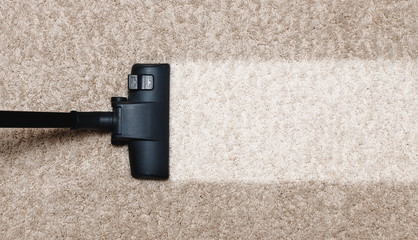
It’s never good news to discover that your carpet has taken on water damage. Whether it’s from a flood or a sewage backup, acting quickly is the key to minimizing damage and saving money on remediation.
Begin with cleaning and dehumidification. Remove as much water as possible with a wet vacuum (shop vac). Open windows and use fans to circulate air. Vist Website to learn more.
1. Preparation
Professional cleaning and dehumidification are key to deciding whether carpets can be saved after water damage. Carpets soaked in clean, clean water, such as from a burst pipe, can be salvaged if you act quickly enough. But if the water is dirty, like from sewage or flooding, or you wait too long before getting help, the carpet may need to be replaced.
In 72 hours, mold and mildew start growing in a wet carpet, so time is critical. Shut off the power to any appliances or lights in the affected area and shut off the water supply, if possible. Then call a professional right away. Pros have the equipment and expertise to do the job properly, reducing damage and saving carpets in most cases.
Water damage is categorized into three classes: clean, gray, and black water. Clean and grey water are relatively safe, but black water can contain contaminants. Professionals know the best way to handle each type of water, and they use commercial dehumidifiers and specialized extraction tools to stop mold and bacteria from spreading.
During the preparation phase, professionals use industrial air movers and dehumidifiers to create optimal drying conditions, pulling moisture from carpet fibers, padding, walls, and subfloors. They also check and document work for insurance, ensuring that all materials reach acceptable moisture levels before reoccupation.
Even after carpets look dry and feel light to the touch, moisture remains in wallboards and other structural materials underneath. Hidden moisture guarantees future problems, including mold growth, odors, and structural damage. Professionals take daily moisture readings, adjusting treatment as needed until everything is completely dry.
Water damage restoration requires days, not hours. The length of time it takes for materials to be safe depends on the water category, how much moisture they hold, and the humidity. It can take 7-10 days for a large area to be completely restored, but it’s important that all materials reach safety levels before you return home. Professionals also test for airborne spores, confirming that the property is safe to reoccupy. This step is important for determining whether your insurance policy covers restoration costs.
2. Cleaning
The 24-48 hour window for saving carpet after water damage is real. From the moment water saturates fibers, a clock starts ticking that gives you only a few hours before irreversible damage becomes permanent. During this window, carpet begins to break down, padding separates, and the musty smell develops. Mold colonies also start growing, and structural deterioration becomes more likely. Whether the cause was a burst pipe, a washing machine malfunction, or a flood from outside, immediate action is key to preserving your carpet.
The first step is to remove as much water as possible from the carpet and pad using a wet vacuum or shop vac. Doing so makes the restoration process easier.
If your home’s carpeting is damaged by clean water, such as from a broken supply line or storm-related flooding, it may be cleaned at home using a detergent solution. However, it’s crucial to dry the carpet and pads as quickly as possible, because the flooring beneath them is often at risk of sustaining major damage.
On the other hand, if the carpeting is damaged by category 2 or 3 water, which contain contaminants like chemicals and waste from appliances or sewer backups, it will need to be replaced. In addition to being unsanitary, this type of water can cause significant damage within 48 hours.
If you suspect your carpet is contaminated with black water, contact a professional immediately for a biohazard assessment and cleaning. In the meantime, open windows and doors to improve airflow and begin the drying process with fans and dehumidifiers.
When you’re ready to shampoo, use a mild detergent and rinse thoroughly with a wet vacuum or shop vac. Alternatively, use a steam cleaner or a commercial carpet cleaning machine with a sanitizer to kill bacteria and prevent future growth of mold and fungus. Afterwards, rinse the carpets again using a wet vacuum or steamer. The final step is to blot the carpets with a towel until they’re almost completely dry. Depending on the size of the affected area, you may need to repeat this process several times to ensure that all residue is removed.
3. Dehumidification
Once the water is stopped and any standing water removed, it is time to start the dehumidification process. This will remove excess moisture from the carpet and the surrounding area, helping to speed up drying times. If possible, open windows to create air circulation and use fans to help the process along. Dehumidifiers are a great investment for those looking to save their carpets after water damage as they remove the excess moisture from the air. A combination of a fan, a dehumidifier, and a heater can also be effective at speeding up the drying process. The fan promotes air flow, the dehumidifier absorbs some of the moisture, and the heater evaporates any remaining moisture.
Never use a home vacuum cleaner on damp carpets as this can cause mold and mildew, as well as make the problem worse. If you have a wet/dry shop vacuum, this can be used to remove as much of the water and debris as possible. These are a bit more expensive than a standard vacuum cleaner, but they have much stronger suction and can quickly remove large amounts of water from carpets.
Stain removal is also a big part of the carpet cleaning process after water damage. You will need to treat any staining immediately, or the bacteria and fungi in the water can grow between the threads of your carpet, creating more long-term damage. If the water is clean, such as from a burst pipe, you can spray or dab the affected area with a solution that dissolves and breaks apart the stain.
If the water is contaminated, such as category 3 black water (sewage), it will be necessary to get professional help immediately. This type of water damage is typically considered a catastrophe and requires immediate attention. This includes the flooded areas as well as ground and river water, and must be treated as quickly as possible to prevent contamination to other areas of the property and potential health risks for the people living in the home or business.
As a rule of thumb, it is typically best to replace carpet that has been exposed to water for more than 48 hours. However, with quick response and professional help, it is sometimes possible to salvage the carpets in certain cases.
4. Drying
After carpet cleaning, it is critical to allow the drying process to take place. To expedite the process, open windows and set up ceiling and portable fans to create air circulation. In addition, a dehumidifier will help reduce the humidity levels and speed up the drying time.
The next step is water extraction. Powerful truck-mounted extractors remove thousands of gallons of water per hour, far more than what standard carpet cleaning equipment can do. After removing the bulk of the water, trained technicians position drying equipment to maximize airflow and moisture removal. They monitor the moisture levels every few hours and adjust the equipment as needed. This phase typically runs for 24 to 72 hours.
During the drying process, household members can help by moving furniture out of the way and vacuuming the carpets frequently. It is also important to remove any spoiled or rotting items from the affected area, such as clothing, toys, and upholstered furnishings.
Drying takes longer if the carpet is darker in color or has a thicker fiber. It is also slower if the padding underneath the carpet is saturated. However, professional restoration methods minimize the time it takes for carpet to dry.
After the drying process is complete, a technician will return to inspect the property for any further damage and make recommendations for future action. For example, mold growth that releases spores into the home’s air needs immediate assessment and intervention. Musty odors are another warning sign of hidden moisture. The smell is caused by bacteria and contaminants introduced by the water source. Professional restoration includes EPA-registered antimicrobial treatments that prevent bacteria and mildew growth and eliminate musty odors without masking them with fragrances.
The recovery of your carpet after water damage depends on how quickly you respond to the disaster. While it is possible for at-home water damage restoration to be successful, many carpets that are severely impacted by clean or grey water floods may need to be replaced. If a flood is due to contaminated or untreated grey water, it may be a better idea to hire a professional to assess the situation and determine if the carpets are salvageable.